

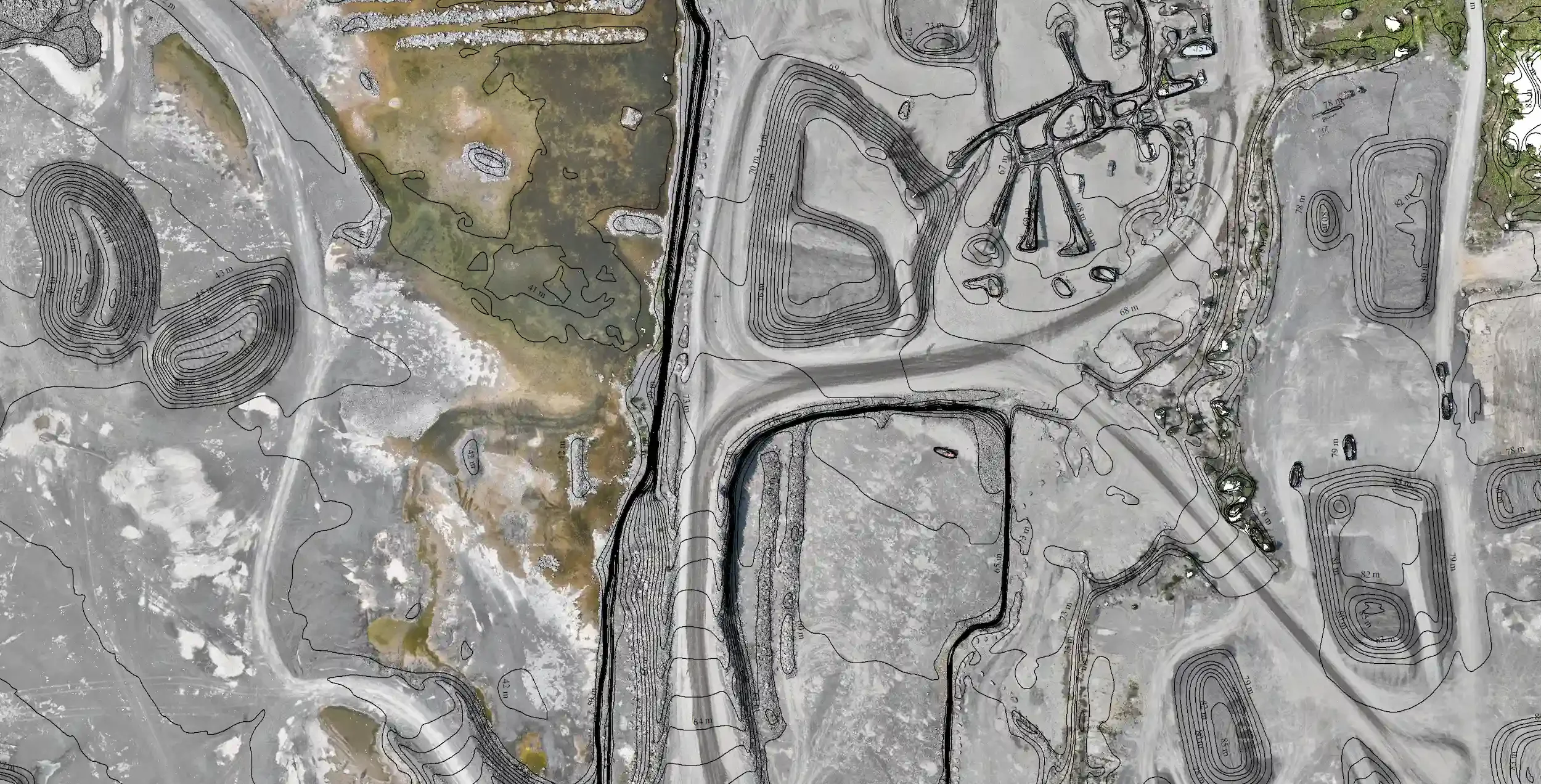
Drone Mapping
High-precision aerial mapping using photogrammetry and LiDAR. From orthomosaics to volumetric surveys, we deliver accurate spatial data for better decision-making.
Request a Quote →Accurate Spatial Data, Faster
Drone mapping captures detailed aerial data of your site using advanced sensors and precise positioning systems. The result is accurate, georeferenced maps and models that support surveying, planning, monitoring, and analysis across a wide range of industries.
We use both photogrammetry (RGB imagery) and LiDAR to match the capture method to your project requirements, whether you need photorealistic orthomosaics, dense point clouds, or volumetric measurements.
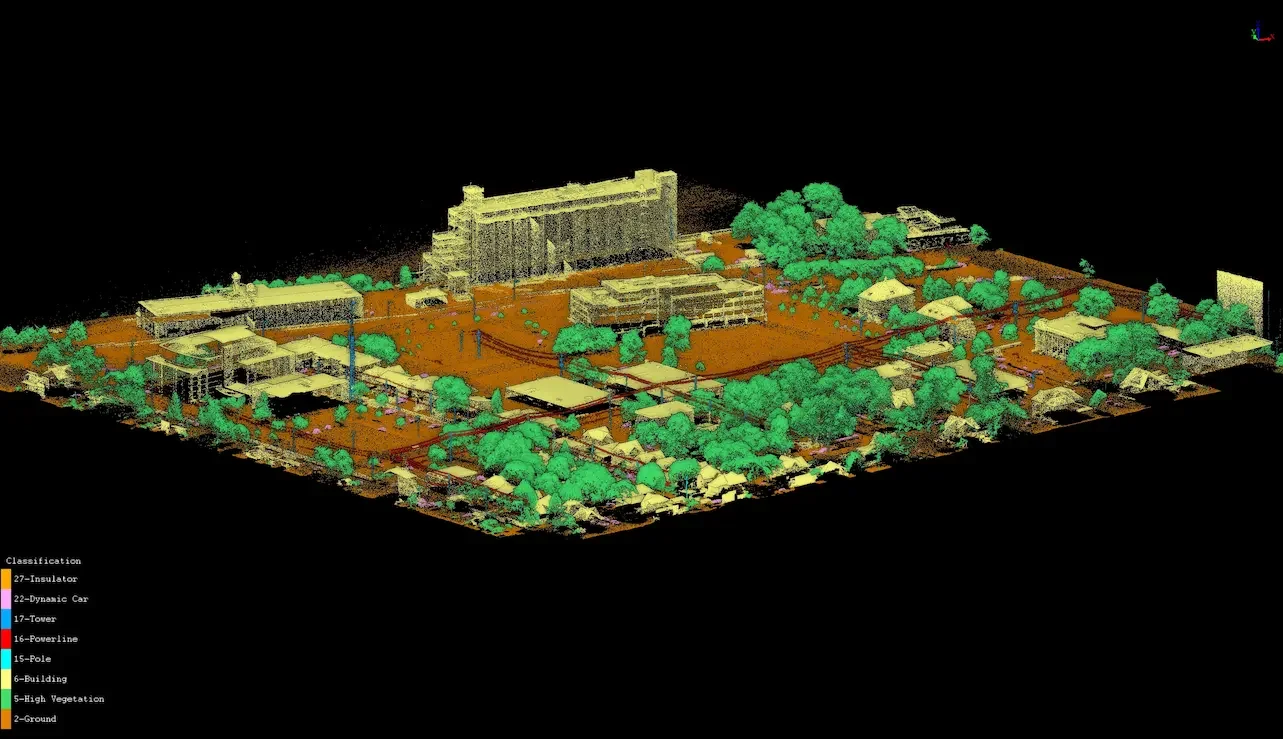
Mapping Solutions
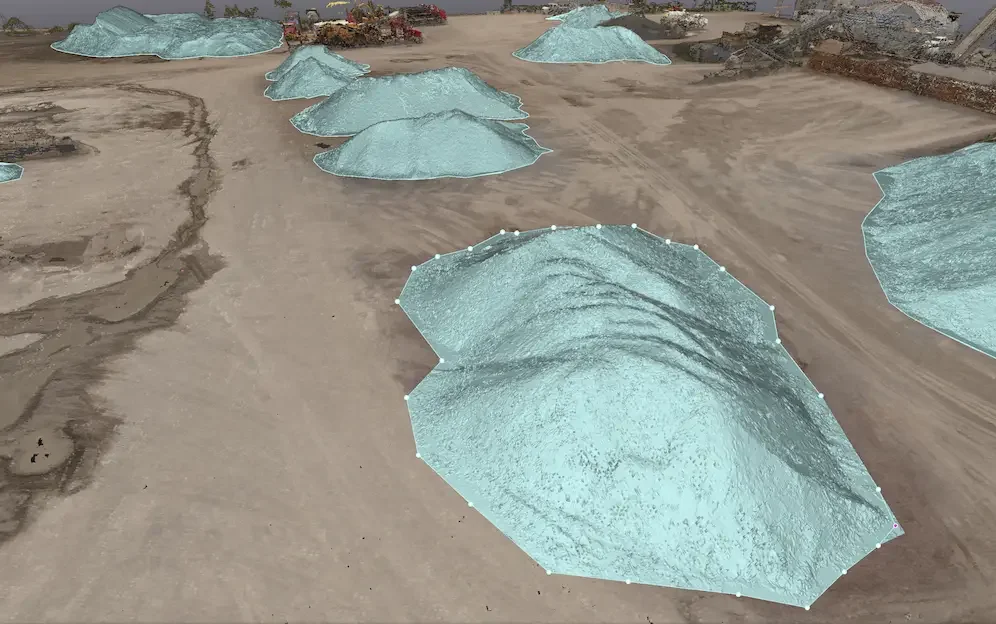
Stockpile Measurements
Accurate volumetric surveys for aggregates, mining, construction, and waste management. Measure stockpile volumes in hours with 1–3% accuracy.
Learn More
Data Processing
Professional photogrammetry and LiDAR processing to transform raw aerial data into orthomosaics, point clouds, 3D models, and CAD-ready deliverables.
Learn MoreDeliverables
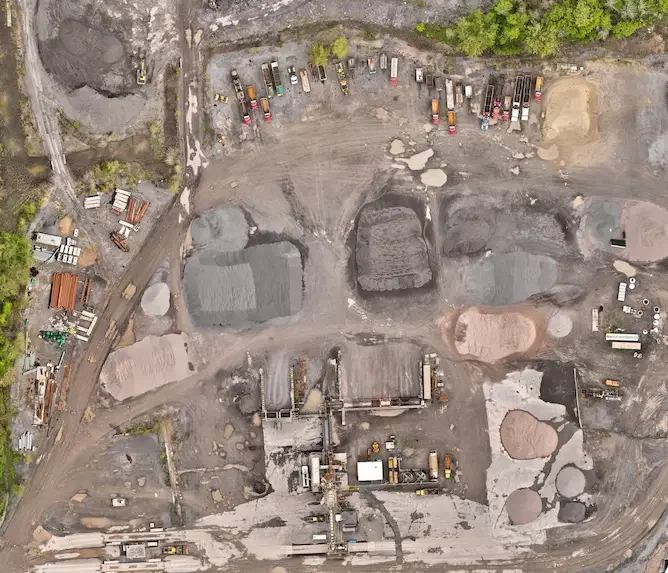
Orthomosaics
Point Clouds
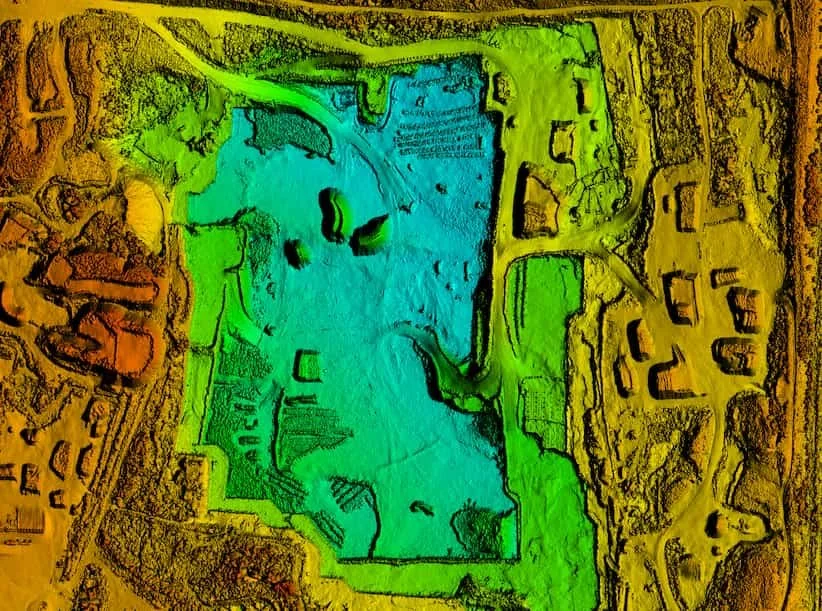
Elevation Models

CAD & GIS Exports
Industries We Serve
Construction
Aggregates & Mining
Land Development
Environmental
The Difference
Survey-Quality Accuracy
RTK/PPK positioning and ground control points deliver 1–3 cm accuracy for engineering and planning applications.
Fast Turnaround
Most projects delivered within 1–2 business days. Same-day delivery available for urgent requirements.
Multiple Capture Methods
Photogrammetry and LiDAR capabilities let us match the right technology to your specific project needs.
Common Questions
What is drone mapping?
Drone mapping uses aerial imagery and sensors to create accurate maps, models, and measurements of a site. Drones fly autonomously over an area, capturing overlapping images or LiDAR data that is then processed into georeferenced deliverables like orthomosaics, point clouds, and elevation models.
How accurate is drone mapping?
With RTK/PPK positioning and ground control points, we typically achieve 1–3 cm horizontal and vertical accuracy. Accuracy depends on flight parameters, ground control, and site conditions. We can discuss your specific accuracy requirements during project planning.
What's the difference between photogrammetry and LiDAR?
Photogrammetry uses overlapping photos to reconstruct 3D geometry and produces photorealistic textures. LiDAR uses laser pulses to measure distances directly, producing dense point clouds that can penetrate vegetation. We often recommend LiDAR for forested areas or when you need bare-earth terrain data.
How large an area can you map?
We regularly map sites ranging from a few acres to hundreds of hectares. For very large projects, we can deploy multiple flights over several days. The limiting factors are typically battery life and airspace regulations rather than technical capability.
What deliverables do you provide?
Standard deliverables include orthomosaics (GeoTIFF), point clouds (LAS/LAZ), digital elevation models (DSM/DTM), contour lines, and PDF reports. We also provide CAD exports (DXF/DWG), 3D models, and volume calculations depending on project requirements.
How long does a mapping project take?
Field work for most sites takes a few hours to a full day depending on size and complexity. Processing and delivery typically takes 1–2 business days for standard projects. We can accommodate rush timelines when needed.
Ready to Map Your Site?
From stockpile volumes to site surveys, we deliver the accurate spatial data you need.
Request a Quote →Related Articles & Guides

Drone Mapping in Windy Conditions:
Best Practices for Efficient Data Collection
CONTACT
Request a Quote
Fill out the form below and we'll get back to you within one business day.